





As the PCT season starts, many of you will be dialling in your gear list and getting ready for the trail, so whether you’re planning to thru-hike or section hike the trail, this should give an insight into what you might expect to pack. This guide is a list of everything I took and how I packed it. Everyone is different, though, so you don’t have to pack the same as me!
The PCT is so long and varied that your gear will change a bit whilst you're out there. I was very pleased with my gear list, ending up with a base weight of about 5kg (11lbs) outside the Sierras. Here’s a link to my lighterpack. I only ever intended to use it for myself, so it’s not the most detailed in the world, but it is accurate for what I took and it’s an incredibly useful tool for packing.


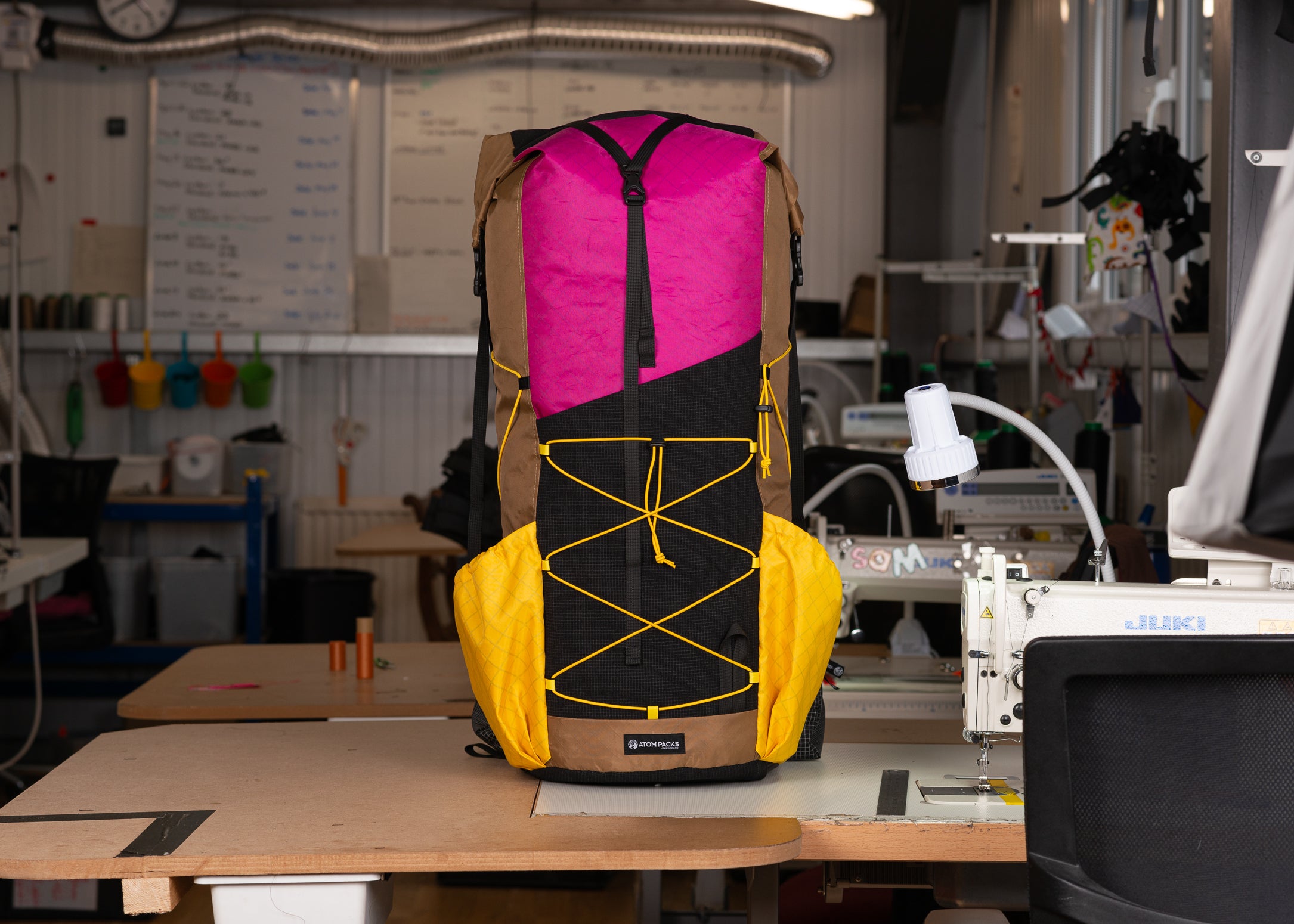
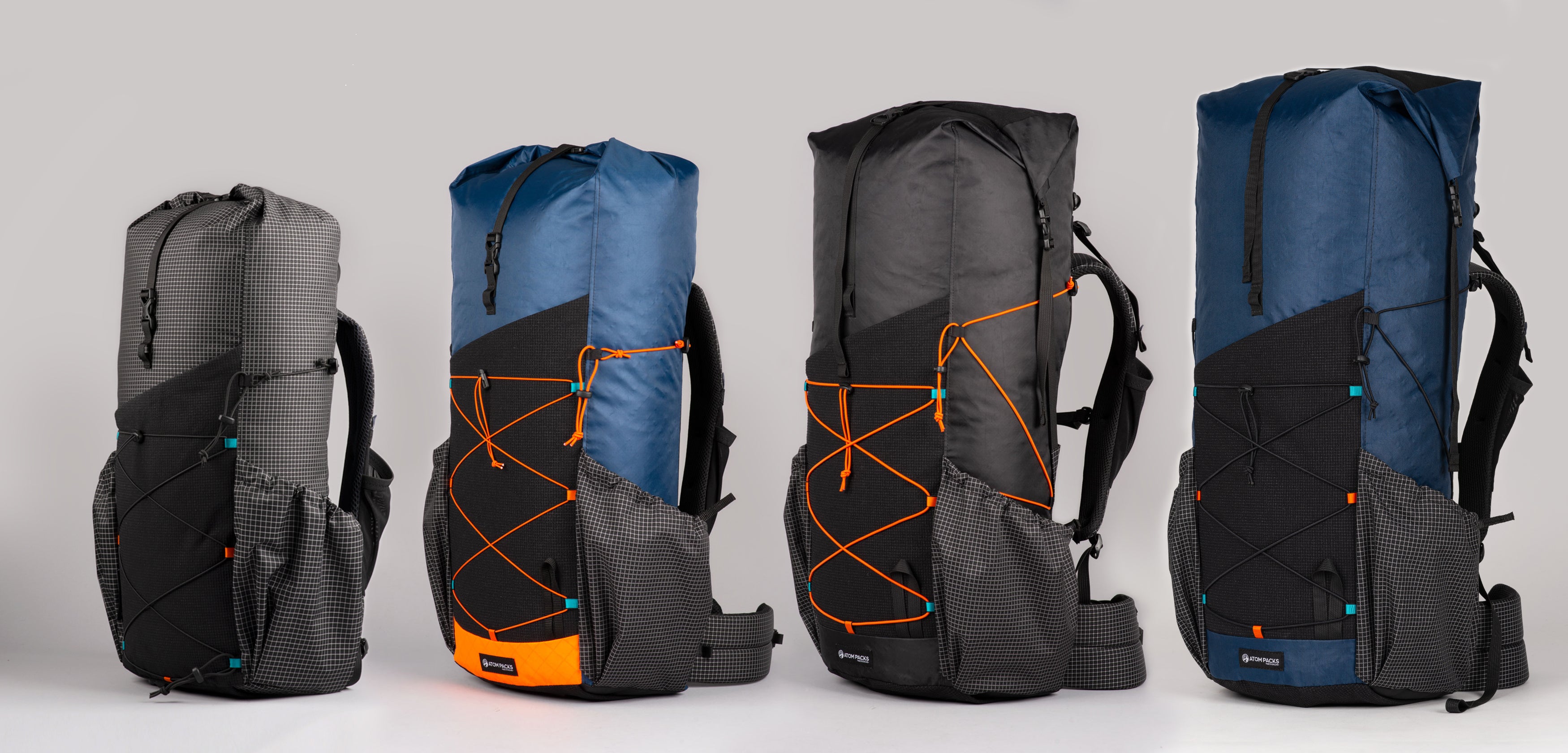
I didn't work for Atom Packs at the time, but I used The Pulse EP40, and found it to be brilliant. The factors that I considered before buying it were volume, weight carrying capacity, cost and weight of the backpack itself. The Pulse EP40 is 650g and can carry up to 13.5kg comfortably.
What I wore:
-
Cap, with sunglasses on top if I wasn’t using them
-
Long sleeved thrift shop shirt
-
Patagonia 5” running shorts
-
Darn Tough socks and Hoka Speedgoats
-
Black Diamond trekking poles
Inside my pack:
-
Sleeping bag stuffed with long johns and spare socks for sleeping in
-
Sleeping pad (without stuff sack)
-
Ditty bag with first aid, electronics and toiletries
-
My Tarptent Aeon Li tent
-
OMM Core+ Jumper
-
Rain jacket and trousers
-
Food bag
Firstly, I always use a pack liner. It doesn't rain very much on the PCT so it's not the most important decision. Mine was just a dry bag I already had.
At the bottom of the pack liner I would stuff my soft kit: sleeping bag and spare clothes. It was nice and comfy to have against the base of my spine.
Next, I would put in my sleeping pad (rolled up but also without its stuff sack), my ‘ditty bag’ which included powerbank and cables, first aid kit, toothbrush and headtorch. My ditty bag was DCF so it was waterproof but it was neater keeping it inside the pack liner.

It's personal preference whether you use your pack liner to line your whole pack or just the items you want to keep dry. I would roll down the pack liner and place my tent vertically next to it. It would sit towards the bottom so I had easy access to the things I was going to need whilst hiking, like food and a warm jumper. If it looked like it was going to rain, the jumper would go in the pack liner too.
Eventually I realised that I wasn't going to need my waterproofs unless I was at the laundry washing everything else, so they were eventually shoved to the bottom.
In the dyneema stretch front pocket:
-
Tyvek ground sheet
-
Toilet kit (trowel, tissues, hand sanitiser)
-
Tent stakes
I carried a sheet of Tyvek in case I wanted to cowboy camp. Since I had it, I used it as a ground sheet under my tent for most nights. My tent stakes were kept in a small DCF bag separate from my tent to make sure they didn't damage the tent. Always pack out your toilet paper in a small ziplock bag in order to leave no trace.

In the side pockets:
-
Two 1L smart water bottles
-
Talenti cold soaking jar
In the shoulder strap pockets:
-
Katadyn BeFree water filter
-
Buff - doubled as a towel (and hat/gloves in the Sierras)
In the Sierras:
-
BV500 bear canister inside the pack
-
Added down jacket, hat and gloves.
-
My tent would go in the dyneema stretch front pocket.
I was really pleased with how my bag was packed. It was super comfortable with a soft back and I had great access to everything I needed whilst hiking. When I got to camp, it was easy to unpack methodically: get my food out and place it to one side, put my layers on, put the tent up, unpack everything into the tent.
My aim was to keep my pack as light as possible so that hiking with it all day was comfortable, whilst also making sure I didn't ruin my hike by being uncomfortable at night. As an example, cold soaking my food was a worthwhile compromise, but sleeping in my hiking clothes was too far!

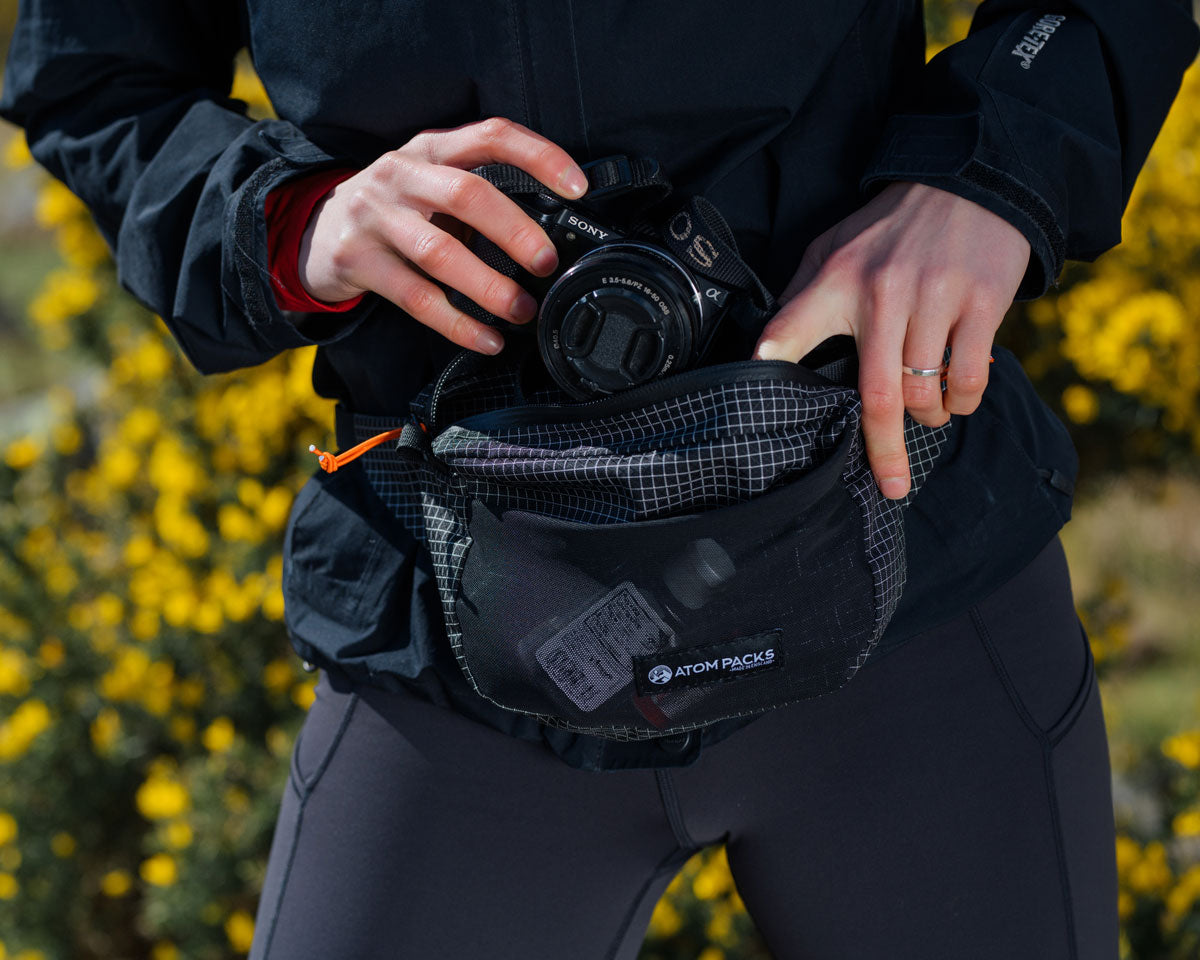
Everything I haven’t mentioned yet I carried in my standard sized Roo. This included my passport and permit, wallet, headphones, spoon, knife, sun cream, lip salve, Spot tracker and sometimes my powerbank. I loved having all these things accessible on trail and in town.
My wildcard piece of gear is an aeropress that I bought in Bishop and really enjoyed it for a few weeks until eventually I lost the cap. Tragic! Surely I'm the only hiker to carry an aeropress but no stove…
That’s everything I took and how I packed it for the PCT in 2023. As a final note, it feels important to mention that although I took a Pulse EP40, this is not our most popular backpack for the PCT. In fact, the Prospector EP50 won hieghest-rated pack in the PCT Survey done by Halfway Anywhere last year.

Ways I could have saved more weight:
-
I could have had a lighter sleeping bag or quilt, but the one I had was decent and I didn’t feel the need to upgrade.
-
I could have used a tarp instead of a tent
-
No long johns
Ways I could have been more comfortable:
-
The Y-strap would have made a difference when I had to carry the bear canister.
-
Very occasionally I wished I had a stove.
-
Some flip flops for camp would have been nice!
-
I could have brought a sit pad. I’ve never used one so I don’t know what I’m missing but it seems to be part of everyone’s kit once they’ve tried it…
Shop The Pulse | Shop The Prospector
